Now Offering Exotic Vehicle MD State Safety Inspections & Pre-Purchase Inspections
Review Us

- Home
- About
- Services
- Exotic Vehicles
- Ferrari
- Ferrari Master Technicians
- Ferrari Mechanic
- Ferrari Repair
- Ferrari Oil Change
- Ferrari Collection
- Ferrari Enzo Collection
- Ferrari California Collection
- Ferrari Testarossa Collection
- Ferrari Mondial Collection
- Ferrari 308 Collection
- Ferrari 348 Collection
- Ferrari 355 Collection
- Ferrari 360 Collection
- Ferrari 430 Collection
- Ferrari 456 Collection
- Ferrari 488 Collection
- Ferrari 550 Collection
- Lamborghini
- Lamborghini Service Center
- Lamborghini Maintenance
- Lamborghini Repair
- Lamborghini Oil Change
- Lamborghini Collection
- Lamborghini Aventador Collection
- Lamborghini Diablo Collection
- Lamborghini Gallardo Collection
- Lamborghini Huracan Collection
- Lamborghini Murcielago Collection
- Lamborghini Urus Collection
- Maserati
- Aston Martin
- Bentley
- Porsche
- Rolls-Royce
- Lotus
- Ferrari
- Resources
- Service Areas
- Gallery
- Contact

BOOK ONLINE OR
CALL 410-638-AUTO
How Do I Prevent Carbon Buildup in My Porsche?
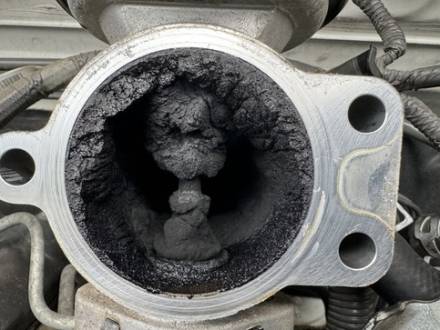 Porsches are renowned for their engineering prowess. However, their gasoline direct injection (GDI) engine makes them somewhat susceptible to carbon buildup. This buildup can lead to rough idling, misfires, and less-than-ideal acceleration.
You can slow carbon buildup in a Porsche by using top-tier fuel, staying on top of oil changes, taking the car on regular highway runs, and scheduling professional intake valve inspections. If your Porsche is feeling less responsive than it used to in 2026, a Northern Virginia Porsche technician can help you understand what's happening inside the engine.
Why Does Carbon Buildup in a Porsche Engine Happen?
In a traditional port-injected engine, fuel sprays directly onto the back of the intake valves on its way into the combustion chamber. That fuel spray, along with the detergents added to most gasoline, naturally washes away deposits as the engine runs.
In a GDI engine, fuel is injected straight into the combustion chamber rather than across the valve. This means nothing is washing the valve clean. Over time, oil vapor from the engine's crankcase ventilation system settles on the back of the intake valves and bakes into a hard carbon layer. This is not unlike the polymerizing process used to season a cast-iron skillet. In a high-performance engine, though, this "seasoning" creates problems.
What Are the Warning Signs of Carbon Buildup in a Porsche?
Carbon buildup develops gradually. Many owners do not notice symptoms until they are fairly pronounced. Common warning signs include the following:
-
Rough or uneven idle (especially noticeable at a stop)
-
A hesitation or stumble during acceleration
-
Reduced throttle response
-
Misfire codes or a check engine light with no obvious cause
-
A noticeable drop in fuel economy over time
If you notice any of these symptoms, particularly in combination, it is worth having the intake valves inspected before the buildup progresses further.
What Can You Do to Slow Carbon Buildup in a Porsche Engine?
Some fairly straightforward steps can be taken to minimize the buildup of carbon in your Porsche's engine.
Use High-Quality Fuel
Top-tier gasoline contains a higher concentration of detergent additives than the minimum required by federal standards (42 U.S.C. §7545). While these additives cannot reach the back of the intake valve the way they would in a port-injected engine, they do help reduce deposit formation elsewhere in the fuel system and combustion chamber.
Stay Current on Oil Changes
Oil vapor from the crankcase ventilation system is one of the primary contributors to carbon buildup. Fresh, clean oil produces less vapor residue than oil that has broken down past its service interval. Staying ahead of your Porsche's recommended oil change schedule is one of the most effective things you can do to prevent buildup.
Drive the Car the Way It Was Designed to Be Driven
Short trips at low RPM are harder on a GDI engine than the high RPM driving a Porsche naturally wants. Taking the car on a longer highway drive every so often and ensuring you hit some higher RPMs helps burn off excess moisture, which can help reduce deposits.
Schedule Periodic Inspections
Catching carbon buildup early makes the eventual cleaning process far less invasive. A borescope inspection of the intake valves can show exactly how much buildup has accumulated before you start to feel the effects.
Despite the disadvantage of potential carbon buildup in a GDI engine, it’s nothing to be overly concerned about. These engines have become increasingly popular across all sectors of the automotive world in recent years, not just high-performance exotics.
With a little attention on your part and regular inspections by a qualified mechanic, your Porsche will continue to run beautifully for years to come.
Call a Washington, D.C. Porsche Technician Today
Our Northern Virginia exotic car technicians are factory certified across multiple high-performance brands and are equipped with the tools and experience to service your exotic vehicle. We offer 24-hour scheduled drop-offs and welcome tours of our state-of-the-art facilities. Transportation services may be available if needed. Call Rosso Service at 410-638-2886 to schedule an inspection on your Porsche today.



LOCATION7 Newport Drive, Suite A  VIEW MAP VIEW MAP
|
BOOK ONLINE OR
|

